“Stand up straight” never fixed anyone
You have heard it your whole life. You pull your shoulders back, hold it for two minutes, and slump again the moment you stop thinking about it. That is not a discipline problem — it is a function problem. Your body slouches into the position your muscles and joints can actually hold.
Posture is a symptom of how your body works
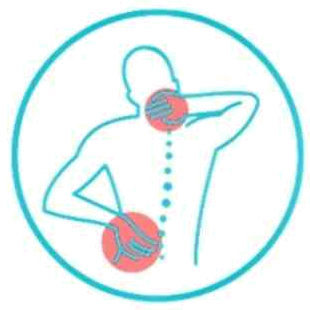
Rounded shoulders, a forward head, a flat or over-arched lower back, one hip higher than the other — these are usually the result of some muscles being tight, others being weak, and joints that have stopped moving well. You cannot “remember” your way out of that. You have to change the underlying function.
Why it matters: poor posture is not just about looks. It changes how load travels through your spine, shoulders, hips, and knees — and it is one of the quiet drivers behind the neck, back, and shoulder pain we see every week.
How posture correction works here
- Assess (90 minutes). We map your posture standing and moving, then test which muscles are tight, which are weak, and which joints are stuck. Posture photos alone tell you what it looks like — testing tells you why.
- Correct. Targeted exercises: loosen what is pulling you out of position, strengthen what should be holding you up. No posture braces — they hold you up so your muscles do not have to, which makes the problem worse over time.
- Re-test. We re-measure your position and strength, so you can see the change — and feel it holding without effort.
Who this is for
- Desk workers who feel themselves curling forward year by year
- Parents who carry kids (always on the same hip)
- Drivers, mechanics, and tradespeople with one-sided work
- Anyone told their pain is “postural” but never shown how to actually change it